Embodied
An Evening of Art and Fashion
Join us for an evening of inspiration at M2 Gallery on May 8th as we celebrate the vibrant talent of Arkansas's arts and fashion scene. A blend of visual art and fashion invites guests to experience creativity, culture, and design in an immersive environment. Browse M2's expansive art gallery and enjoy small bites by At The House Catering, paired with drinks and an ever-so-chic atmosphere. Guests are encouraged to take this year's 'Costume Art' theme and dress to impress; attendees blow us away each year with their originality and creativity!
It will be a night to remember as we showcase our incredible creative community in SoMa. We hope to see you there!

SoMa 501
Partnering Charity
SoMa 501 is a nonprofit Main Street America program dedicated to promoting the South Main neighborhood of Little Rock. By supporting small businesses, improving the built environment, and creating vibrant public spaces, SoMa 501 helps ensure that the neighborhood remains welcoming, creative, and distinctly reflective of the community it serves.
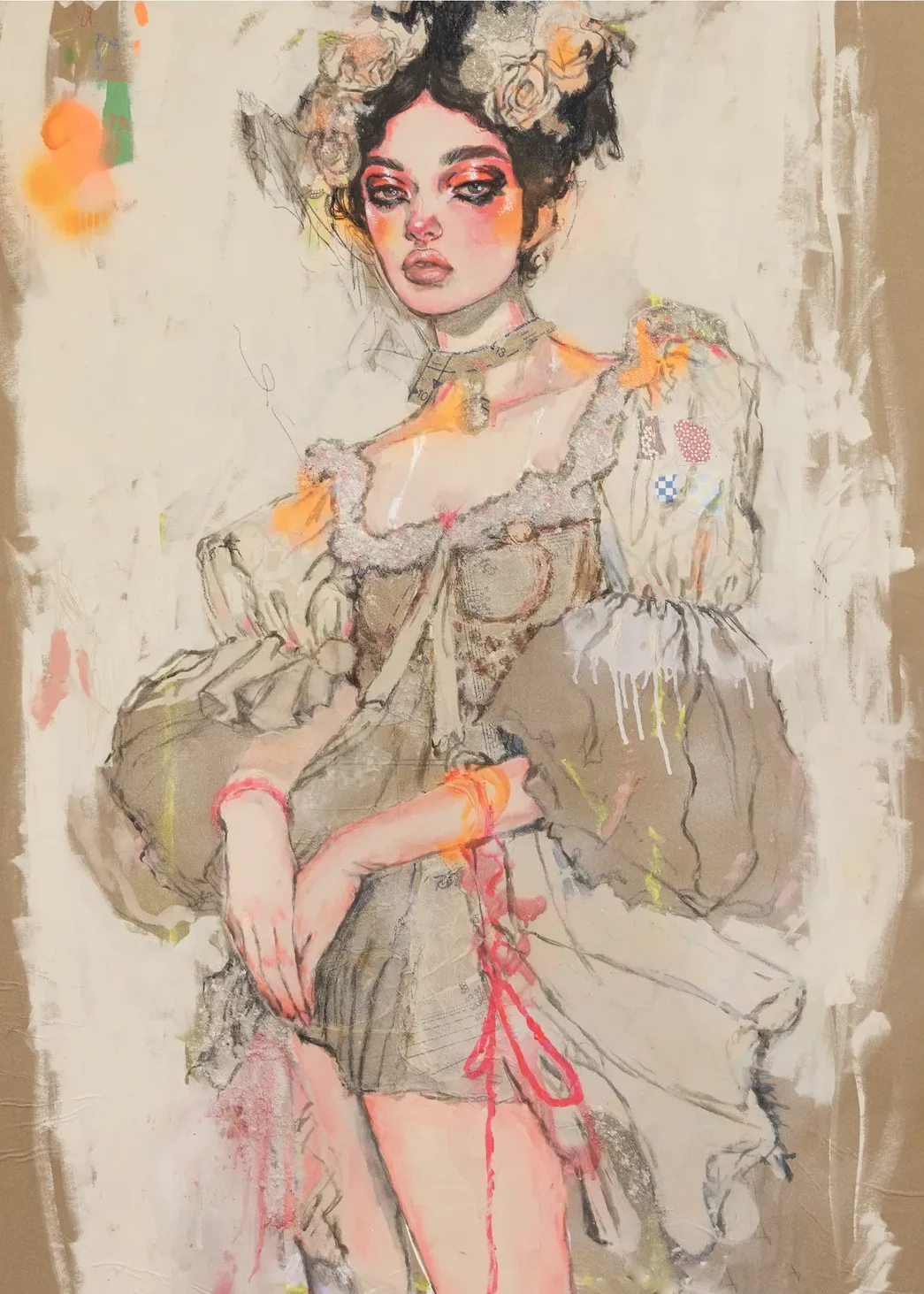
LR Met is teaming up with SoMa 501 to bring the above mural concept designed by House of Shaeffer to life.
“This mural is intended to celebrate the diversity, beauty, and spirit of the people who make this community such a proud and vibrant part of Little Rock.”
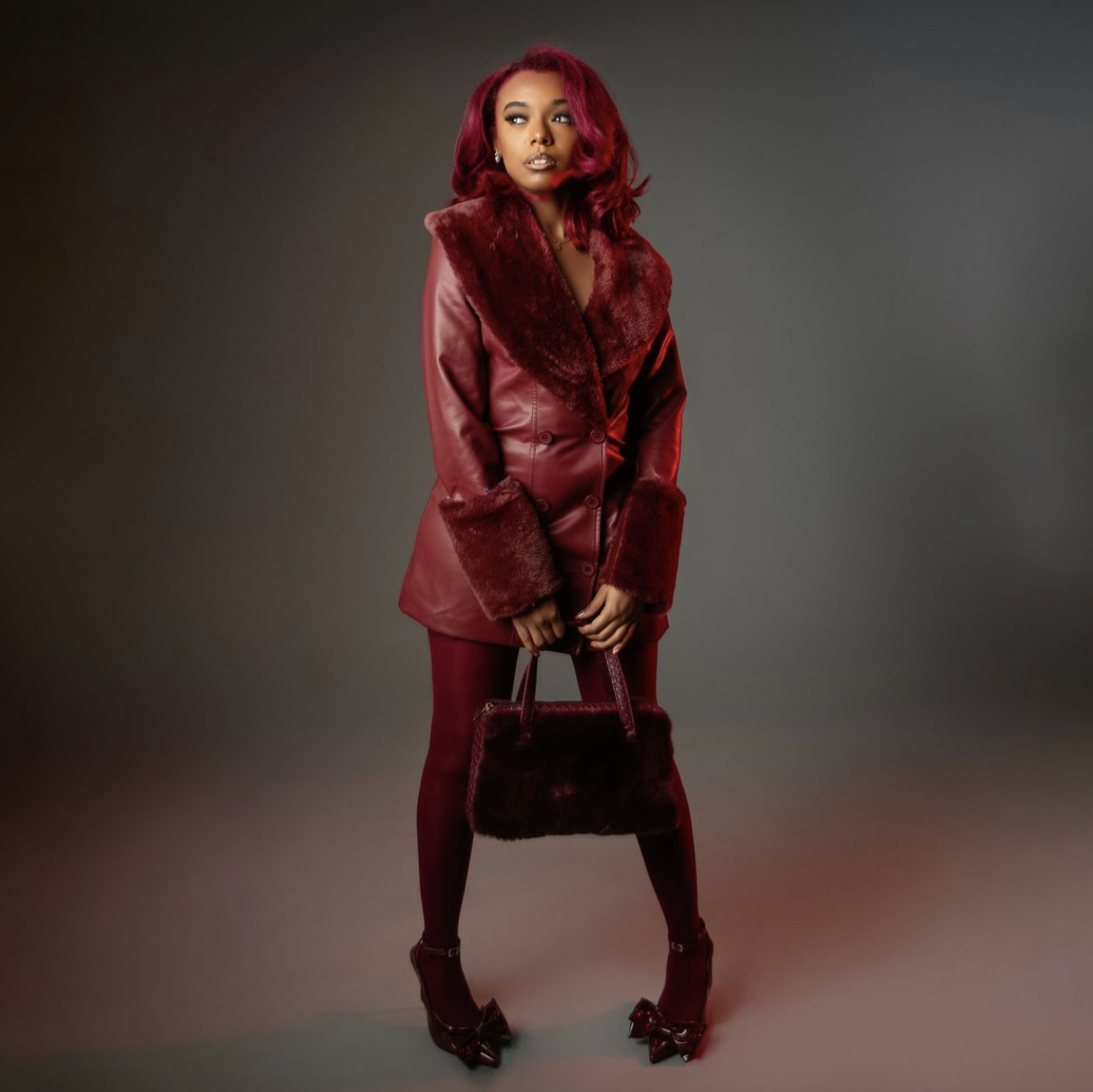
Featured Designers
Presenting Sponsor
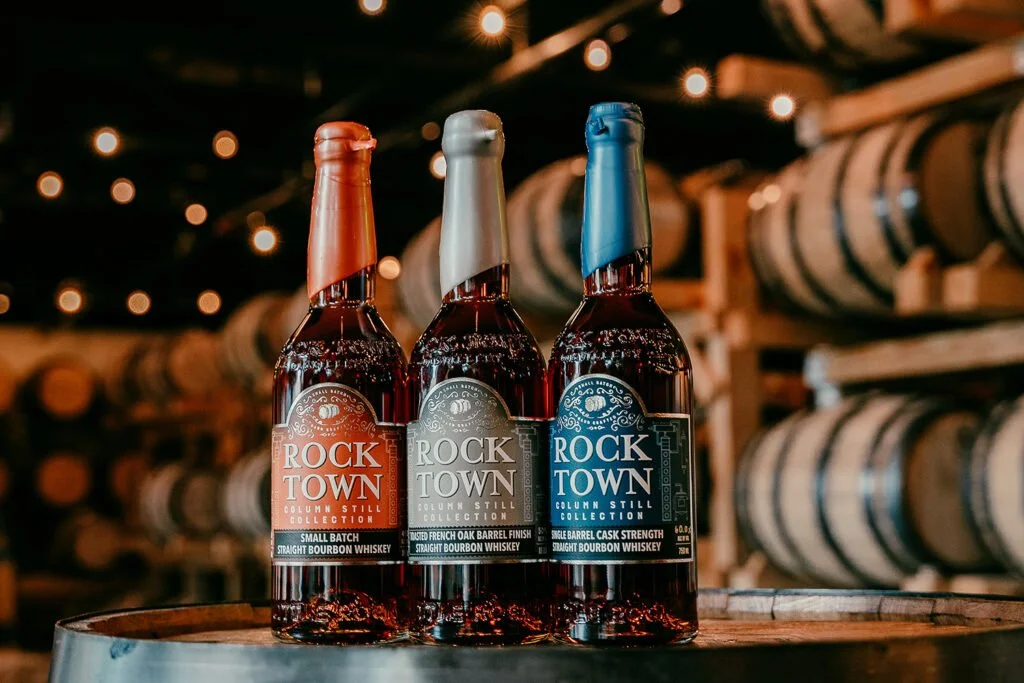
LR Met is excited to be partnering with a sponsor that has made their home in the heart of SoMa. Rock Town Distillery sources ingredients from farmers across Arkansas, creating an affordable product using all-natural ingredients that can compete against any top-shelf competitor in the nation. With their distillery tours, cocktail classes, watch parties, and special events, Rock Town’s commitment to community is ever-present, while the passion for their craft can be tasted in every delicious cocktail.
Silhouette Sponsor

Hummingbird Media is a full-service digital marketing agency that helps small businesses grow their online presence and attract ideal customers. They offer services such as SEO, website design, social media management, and content marketing, with a focus on tailored strategies, measurable results, and strong client relationships.
With an emphasis on personal relationships and local insight, the team works closely with clients to build brand presence, generate leads, and support long-term success through modern, data-driven marketing. Their support of EMBODIED reflects that same commitment to community, making their partnership with our charity event a natural and meaningful extension of their work.
Form Sponsor
A five-star medical spa rooted in the art of enhancing natural beauty. From wrinkle relaxers and dermal filler to collagen stimulating treatments, weight loss, and wellness, Kontour offers a full spectrum of aesthetic services designed to help you step into your most confident self.
Known for an elevated patient experience, Kristen and her team stay at the forefront of the industry through ongoing education and a commitment to sharing the latest in aesthetic innovation with every patient. Their support of EMBODIED feels like a natural fit. Great art and great aesthetics share the same foundation: artistry, self-expression, and celebrating individuality in its most beautiful form.
Form Sponsor

For more than 50 years, Brooks Pool Company has been creating extraordinary outdoor spaces across Central Arkansas through custom concrete pools, spas, and water features. Known for their craftsmanship, attention to detail, and long-standing reputation for quality, Brooks Pool Company transforms backyards into timeless spaces designed for gathering, relaxation, and lasting memories.
As a family-owned business rooted in Arkansas since 1969, their commitment to excellence and personalized service has made them a trusted name for generations of homeowners. Their support of EMBODIED reflects our shared values of community, craftsmanship, and memorable experiences.






The Theme
Please enjoy learning more about the conception of the 2026 Met Gala theme.
Below are excerpts from Vogue.com, the full article can be viewed here.
Fashion is coming out of the basement at the Metropolitan Museum of Art. Announced today, “Costume Art,” the spring 2026 exhibition at the Costume Institute, will mark the inauguration of the nearly 12,000-square-foot Condé M. Nast Galleries, adjacent to The Met’s Great Hall. “It’s a huge moment for the Costume Institute,” says curator in charge Andrew Bolton. “It will be transformative for our department, but I also think it’s going to be transformative to fashion more generally—the fact that an art museum like The Met is actually giving a central location to fashion.”
To mark the momentous occasion, Bolton has conceived an exhibition that addresses “the centrality of the dressed body in the museum’s vast collection,” by pairing paintings, sculptures, and other objects spanning the 5,000 years of art represented in The Met, alongside historical and contemporary garments from the Costume Institute.
“What connects every curatorial department and what connects every single gallery in the museum is fashion, or the dressed body”
Bolton says. “It’s the common thread throughout the whole museum, which is really what the initial idea for the exhibition was, this epiphany: I know that we’ve often been seen as the stepchild, but, in fact, the dressed body is front and center in every gallery you come across. Even the nude is never naked,” he continues. “It’s always inscribed with cultural values and ideas.”
Traditionally, Bolton admits, Costume Institute shows have emphasized clothing’s visual appeal, with the mannequins disappearing behind or underneath garments. His bold idea for “Costume Art” is to insist on the significance of the body, or “the indivisible connection between our bodies and the clothes we wear.” Fashion, he insists, actually “has an edge on art because it is about one’s lived, embodied experience.”
He’s organized the exhibition around a series of thematic body types loosely divided into three categories. These include bodies omnipresent in art, like the classical body and the nude body; other kinds of bodies that are more often overlooked, like aging bodies and pregnant bodies; and still more that are universal, like the anatomical body. Bolton’s is a much more expansive view of the corporeal than the fashion industry itself often promotes, with its rail-thin models and narrow size ranges.